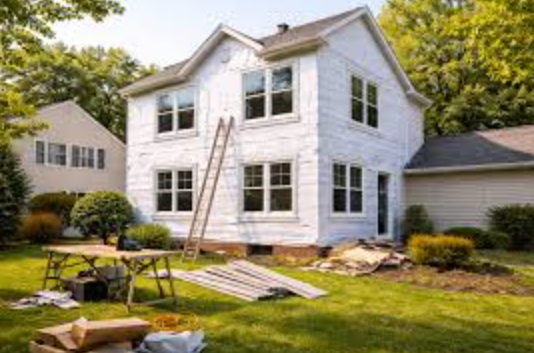
How to Prioritize Home Improvement Projects

Prioritizing home improvement projects requires a strategic approach. Homeowners must first assess their needs and goals, focusing on essential repairs for safety and functionality. Next, they should consider their aesthetic preferences and set a realistic budget. Evaluating the impact on home value is crucial, as is creating a timeline for project completion. Understanding these elements can lead to informed decisions. However, identifying which projects to tackle first can be challenging.
Assess Your Needs and Goals
How can homeowners effectively determine which improvement projects to tackle first?
They should start by identifying essential repairs that address safety and functionality issues.
Next, they can define aesthetic preferences to enhance their living space’s visual appeal.
This dual approach ensures that critical needs are met while aligning with personal style, ultimately fostering a home environment that reflects individual freedom and satisfaction.
See also: cashstark
Set a Realistic Budget
Setting a realistic budget is crucial for homeowners embarking on improvement projects. Effective budget allocation ensures funds are wisely distributed across essential tasks.
Homeowners can implement cost saving strategies, such as prioritizing projects based on necessity and exploring DIY options. By understanding financial limits and making informed choices, they can achieve desired improvements while maintaining financial freedom and avoiding unexpected expenses.
Evaluate the Impact on Home Value
Determining the potential impact of home improvement projects on property value is vital for homeowners aiming to make sound investment decisions.
By assessing current market trends, homeowners can identify which upgrades will enhance home equity. Projects that align with buyer preferences often yield the highest returns, allowing homeowners to enjoy both immediate enhancements and long-term financial benefits.
Prioritizing wisely can lead to greater freedom and satisfaction.
Create a Timeline for Completion
When should homeowners establish a timeline for their home improvement projects?
It is crucial to set project milestones and completion deadlines early in the planning phase. By outlining specific phases of work, homeowners can track progress and maintain motivation.
A well-structured timeline also allows for flexibility, ensuring projects align with personal schedules while achieving desired results without unnecessary delays.
Conclusion
In conclusion, prioritizing home improvement projects requires a delicate balance between urgent repairs and desired enhancements. While safety and functionality serve as the foundation, aesthetic aspirations elevate the living experience. By establishing a realistic budget and a flexible timeline, homeowners can navigate the complexities of investing in their spaces. Ultimately, this structured approach transforms houses into personalized sanctuaries, reflecting both immediate needs and long-term visions, ensuring that every project contributes meaningfully to the home’s overall value and comfort.